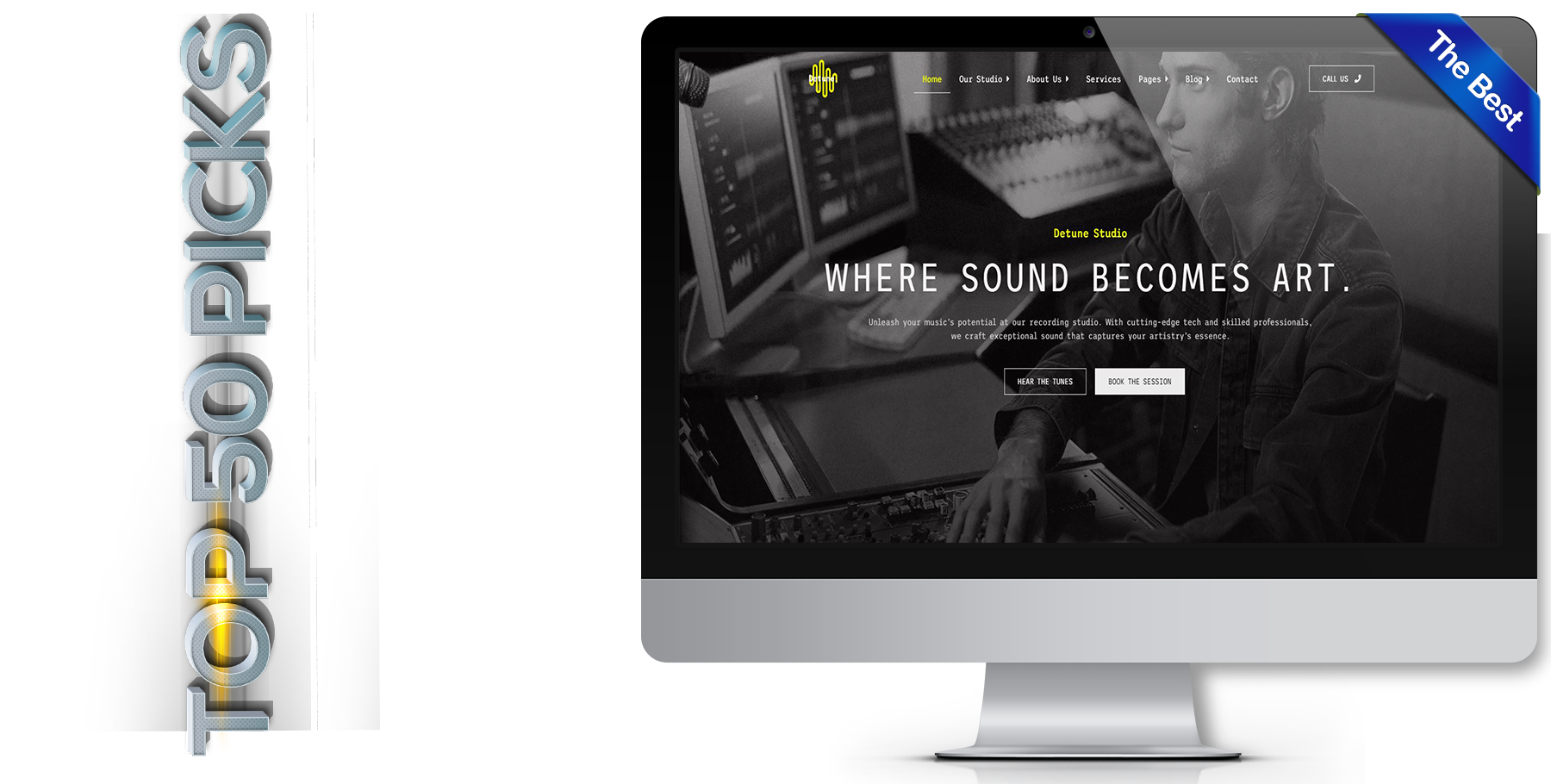
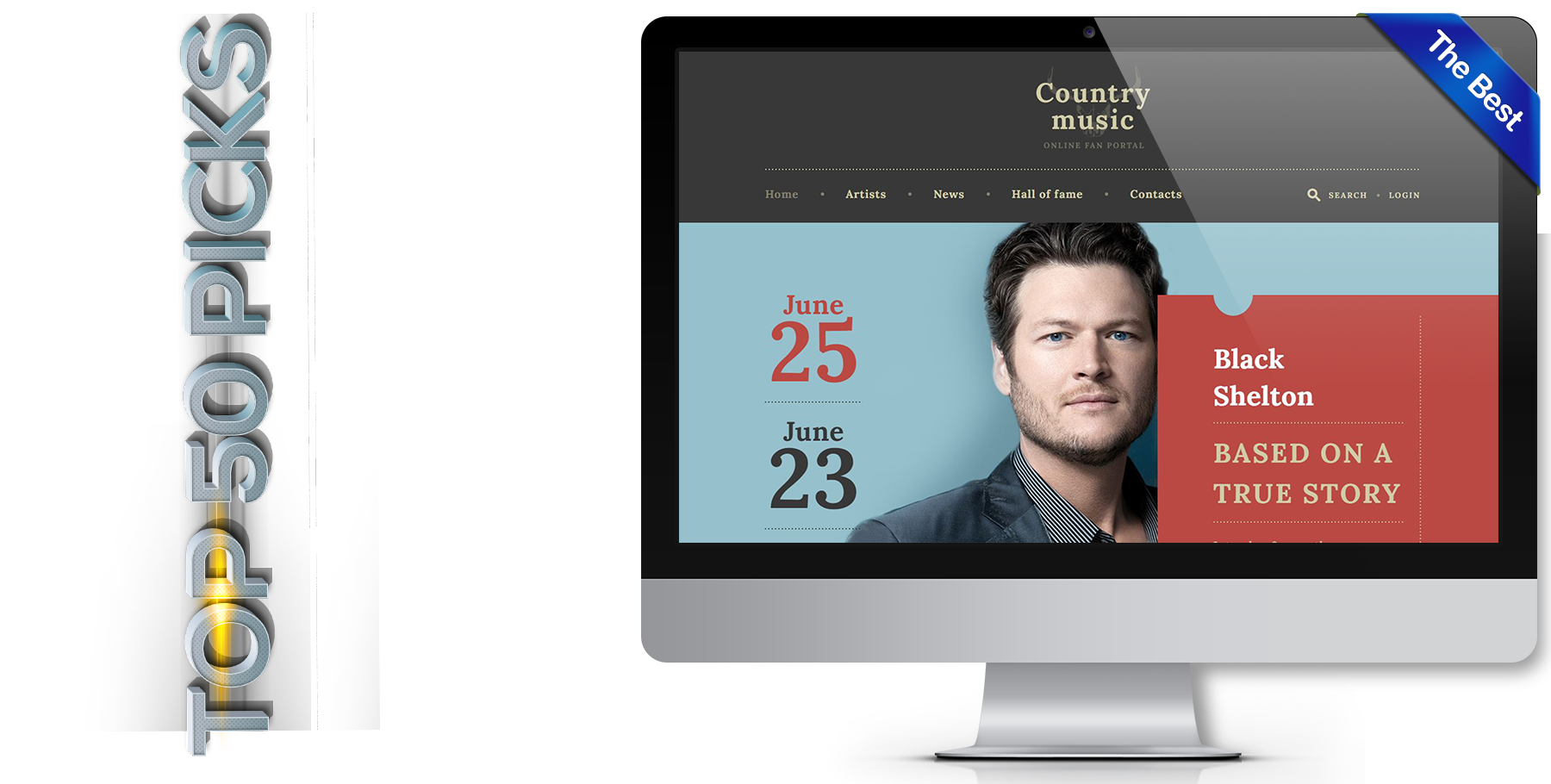
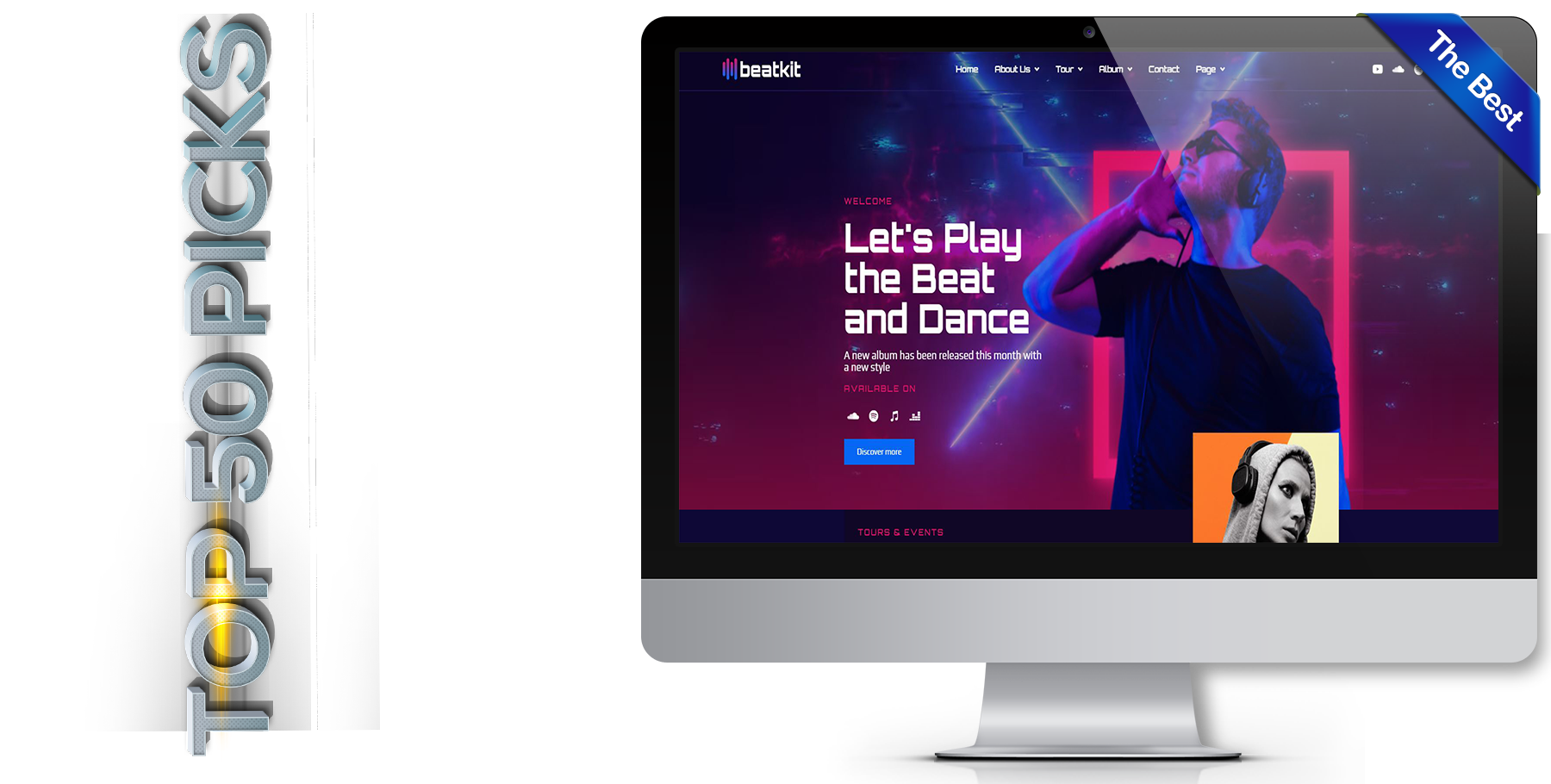
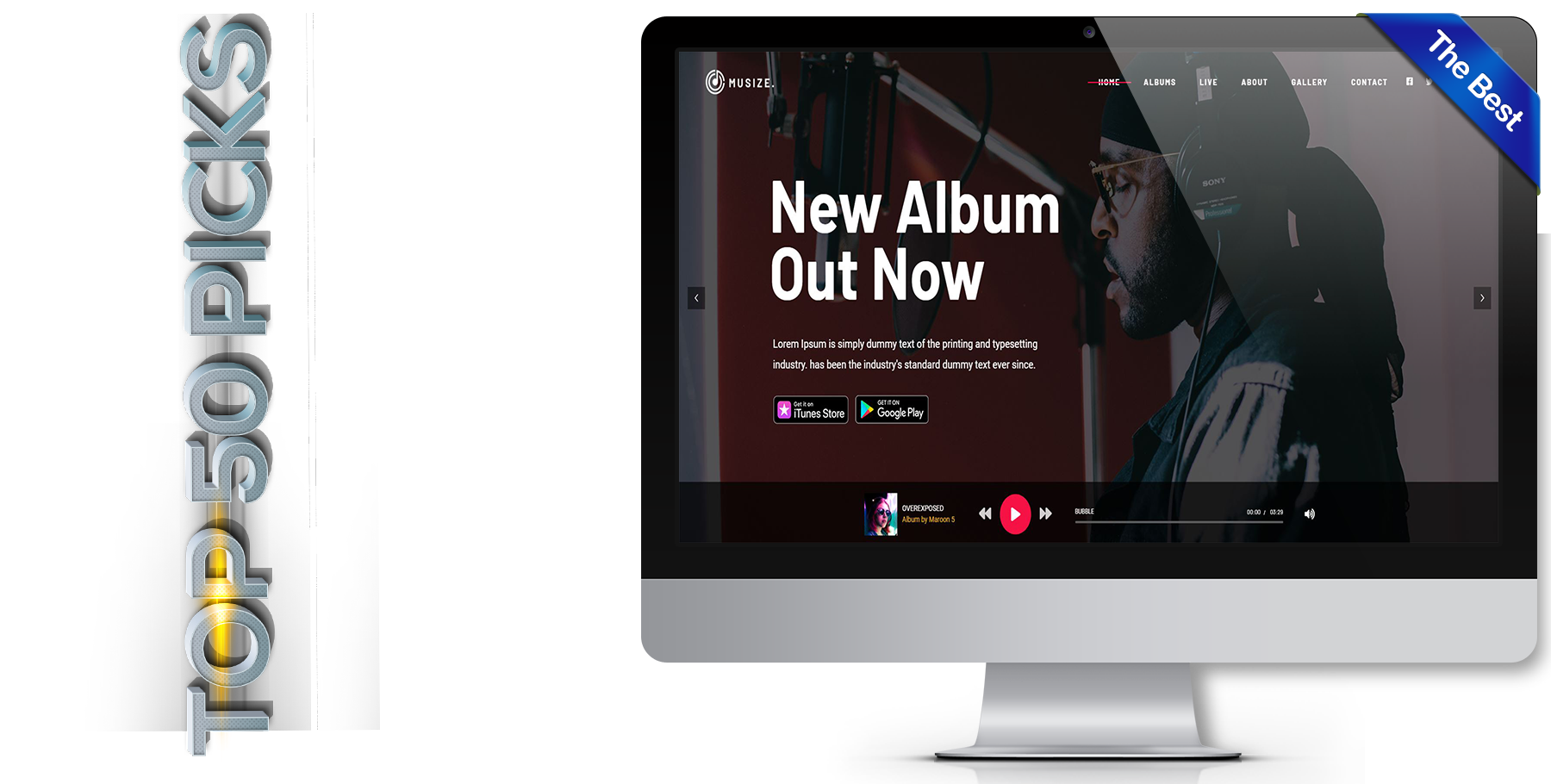
In this technological age, music artists and bands' success is
dependent on their ability to establish a captivating online
identity. The internet has transformed the way musicians
interact with their audiences, making a solid online presence
more important than ever. Whether you're a new artist seeking
to break into the industry or an established band hoping to
broaden your reach, your online identity is your digital
calling card.
It is where fans can find your music, learn about your
background, and interact with your brand. A well-designed web
presence not only attracts new listeners but also helps you
establish a dedicated fan base who supports your music and
attends your events. This book offers ten critical stages for
creating a strong online persona that connects with your
audience and distinguishes you in the congested music
industry.
Step 1.
Define Your Brand Identity
Developing an appealing online presence begins with a thorough
understanding of your brand identity. This includes defining
your distinct sound, style, and message. How does your music
vary from others'? How do you want your audience to feel when
they hear your music or visit your website? Your brand
identity should reflect your artistic vision and beliefs. It
includes your band's name, logo, color scheme, and general
design. Take the time to articulate your brand's story and
personality, as this will inform all of your online branding
activities.
Once you've established your brand identity, it's easier to
maintain consistency across all platforms and marketing
materials. Consistency helps to create a distinctive image
that people can associate with your music. Ensure that your
brand's visual features, such as logos and color schemes, are
applied consistently throughout your website, social media,
goods, and promotional materials. This consistency maintains
your brand's identity and helps to develop a strong,
remembered presence in your target audience's minds.
Step 2.
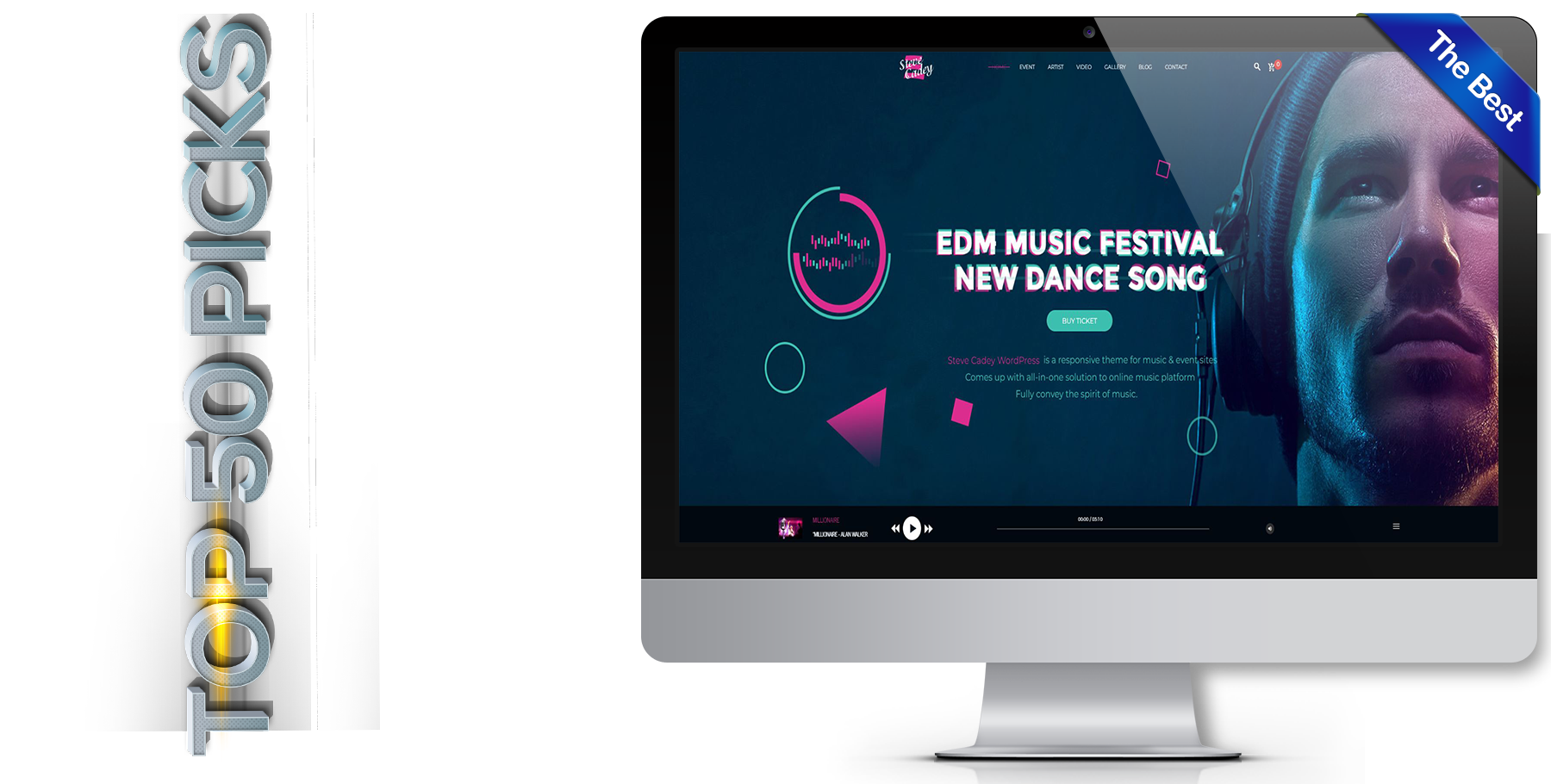
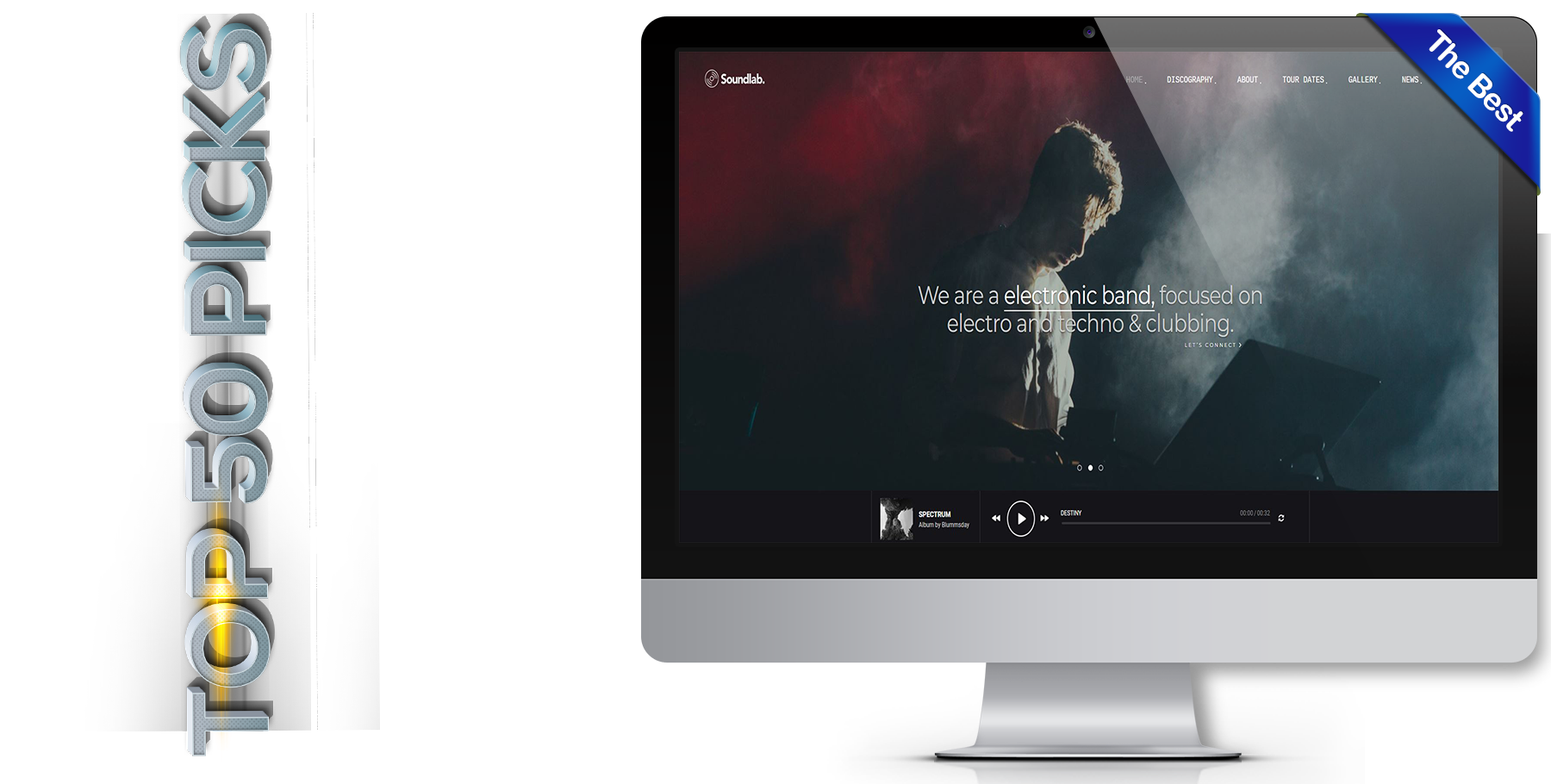
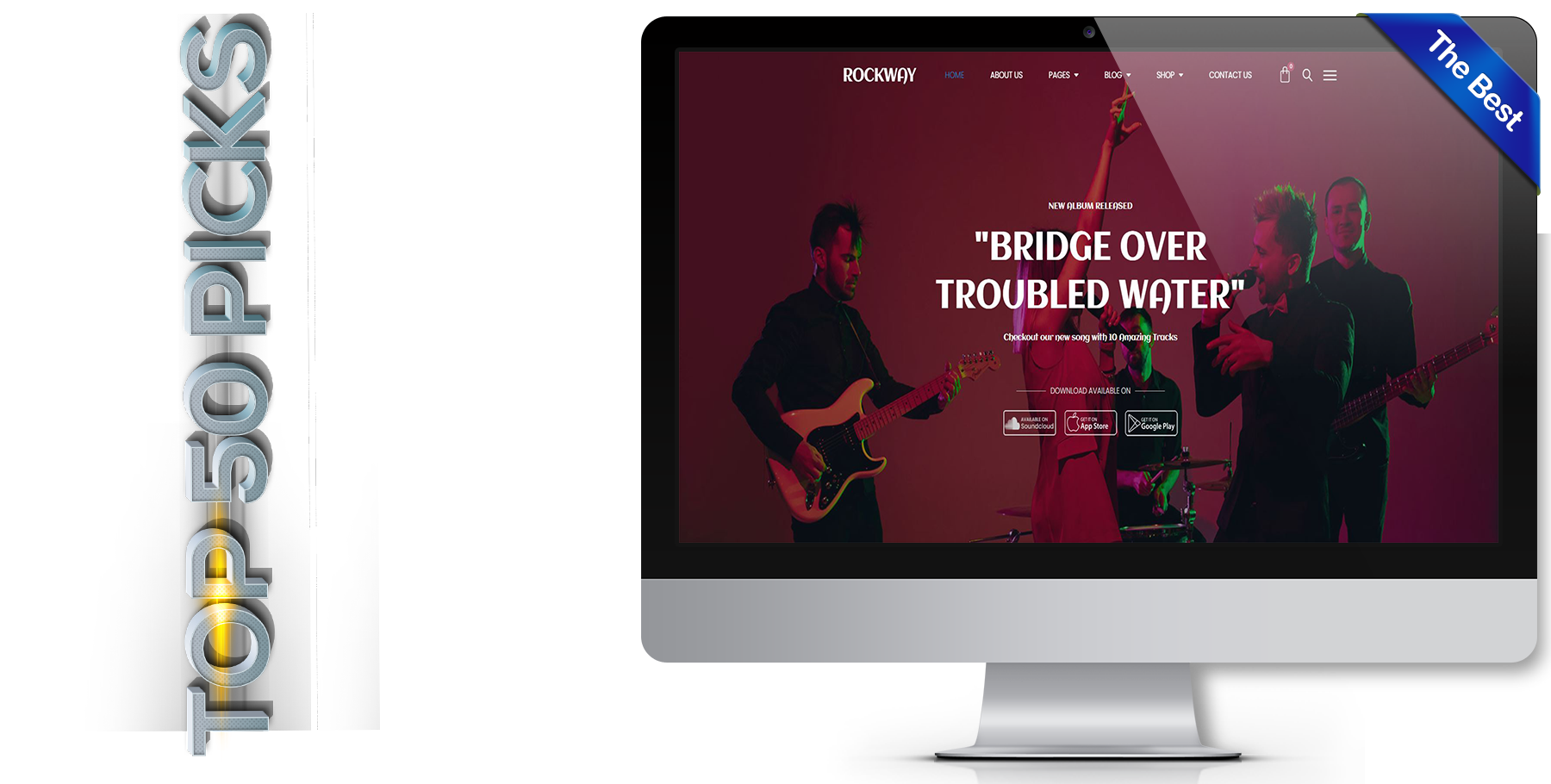
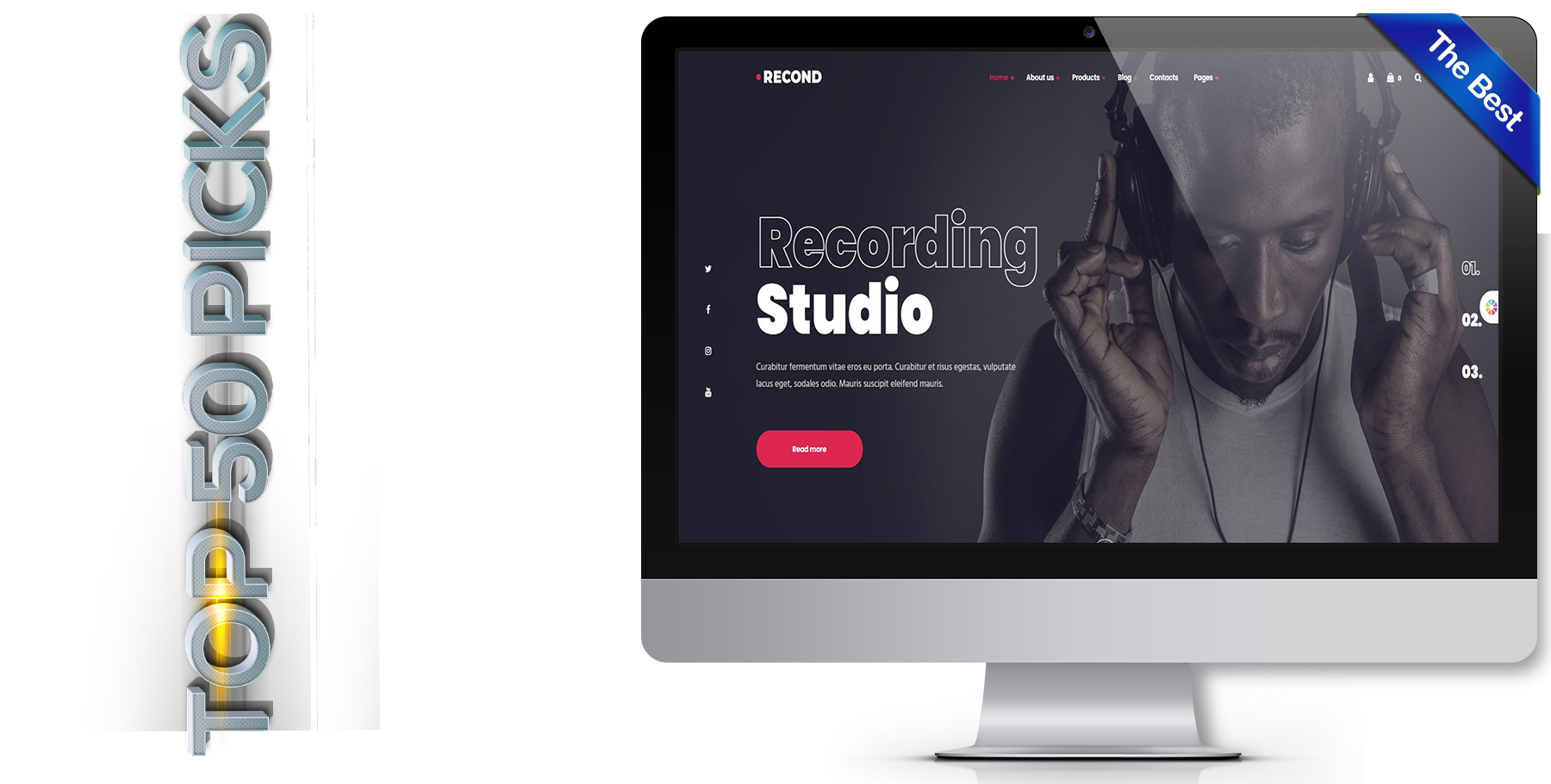
Develop a Professional Website
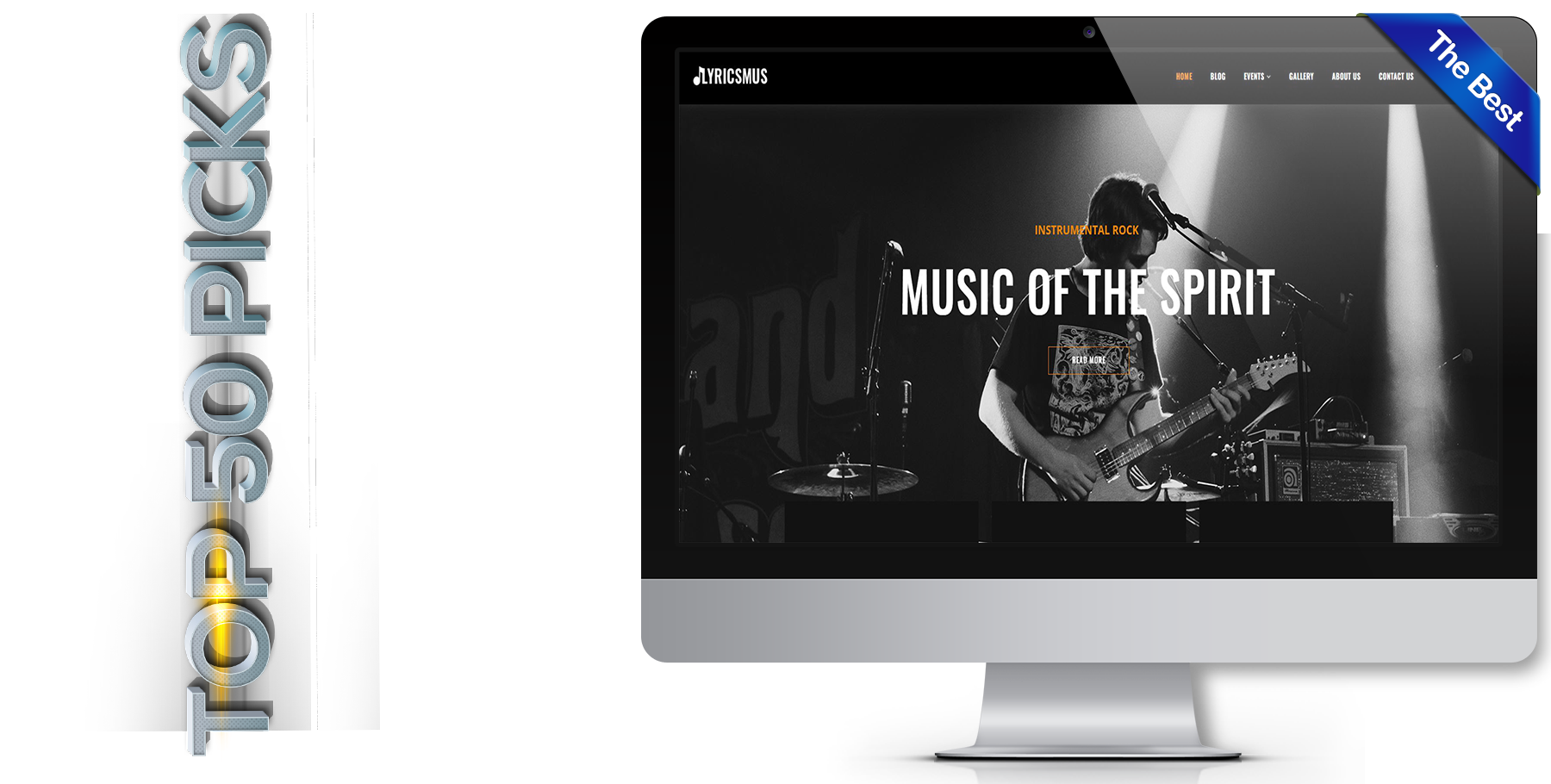
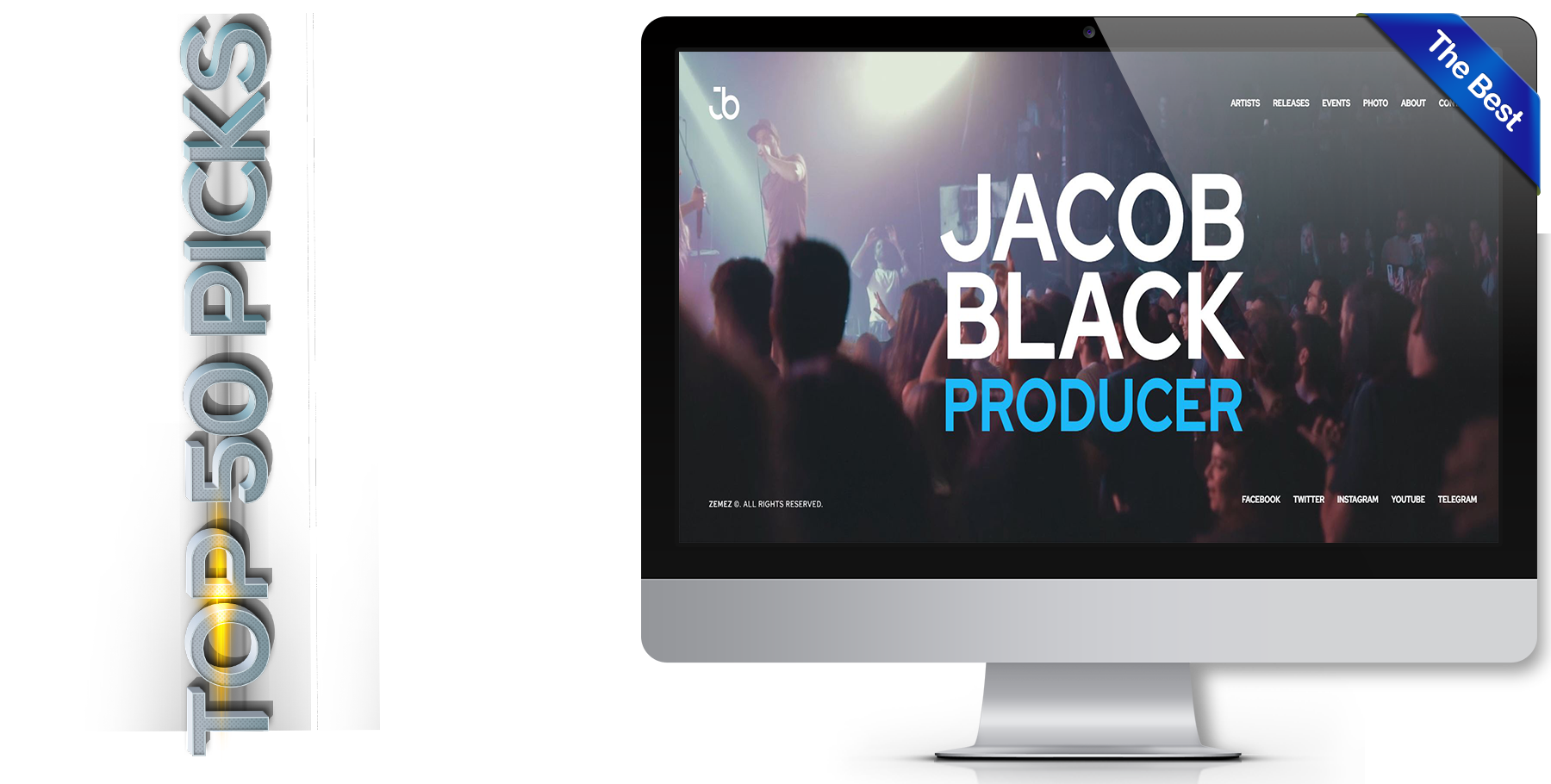
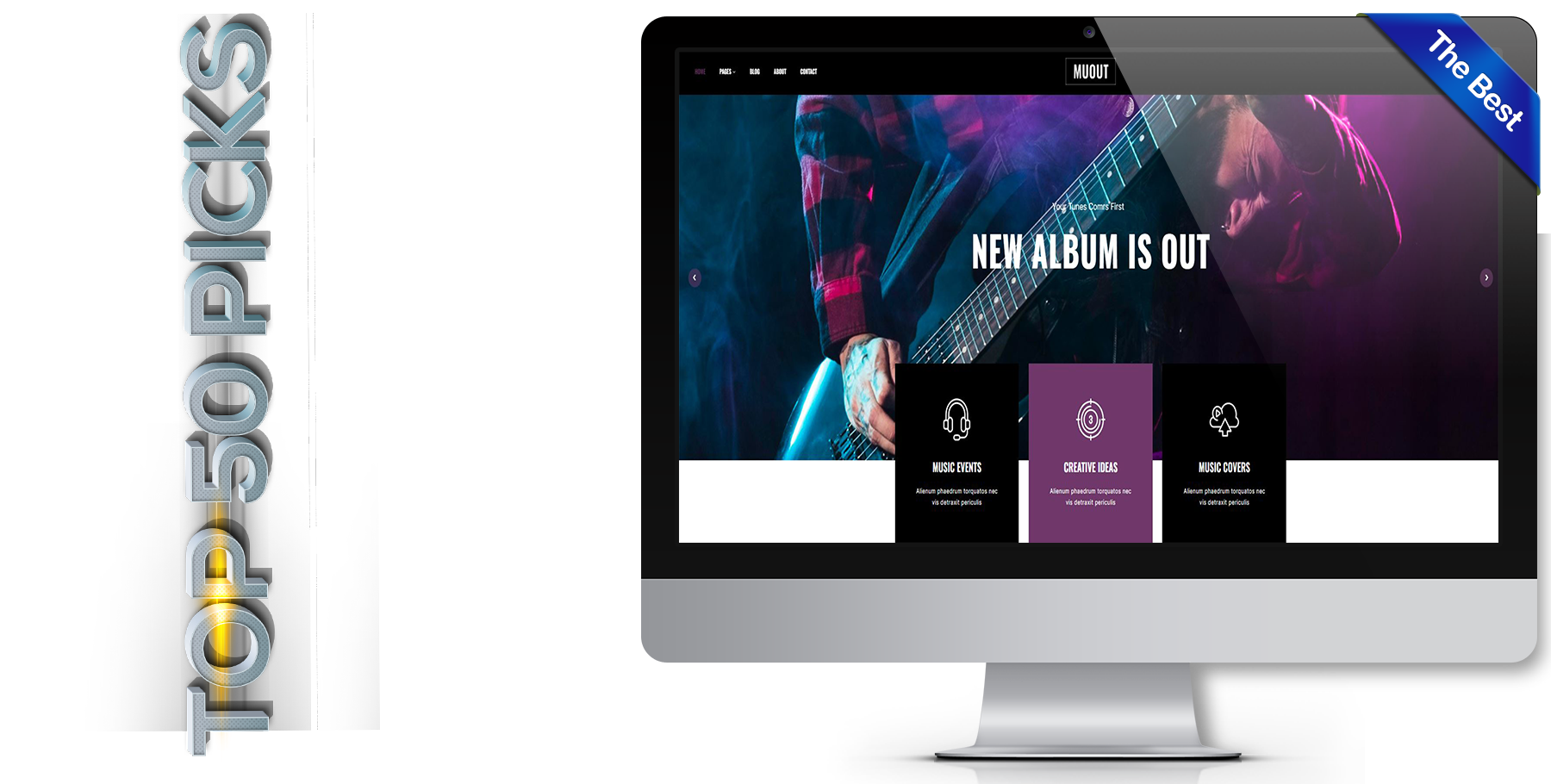
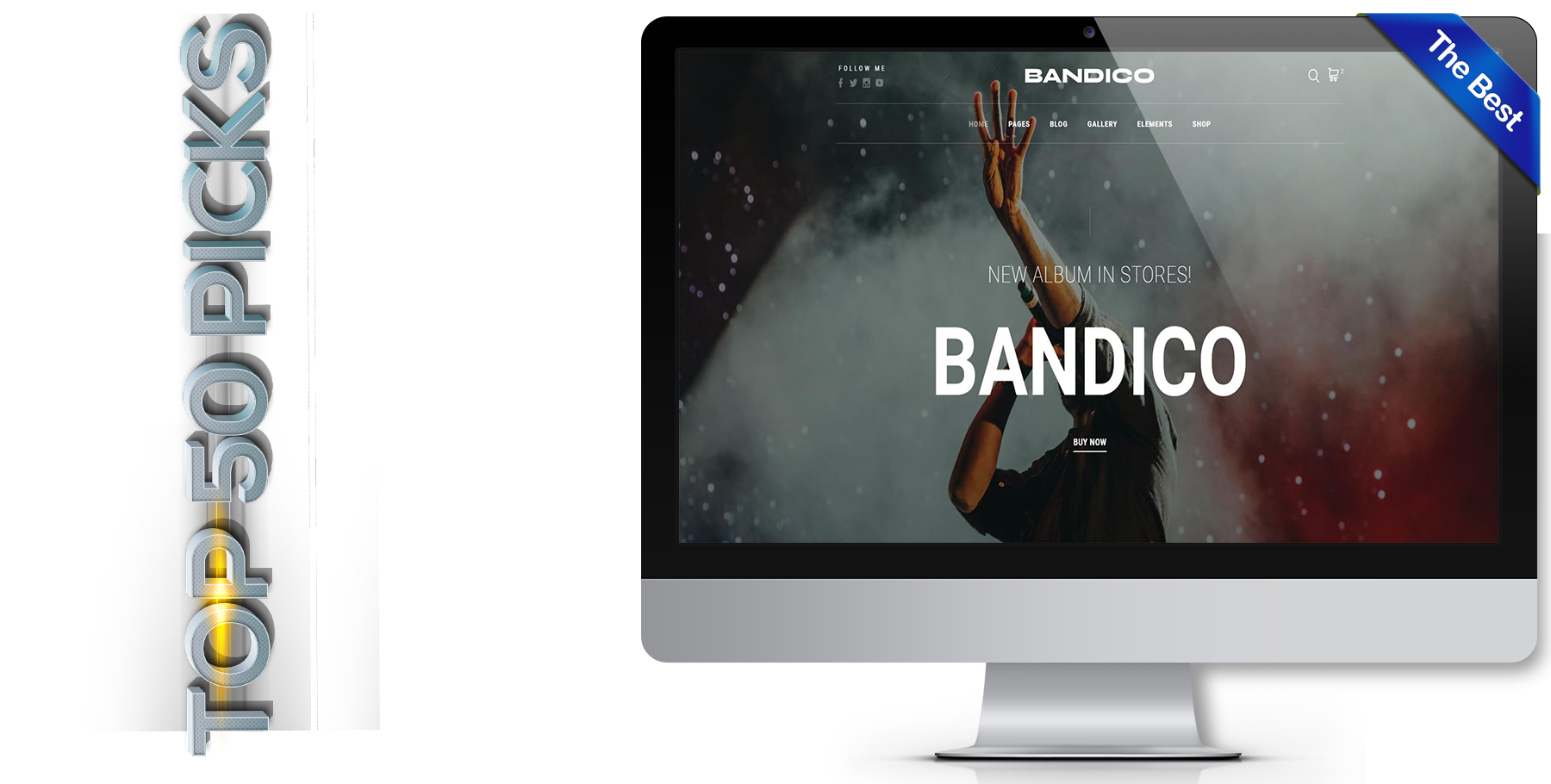
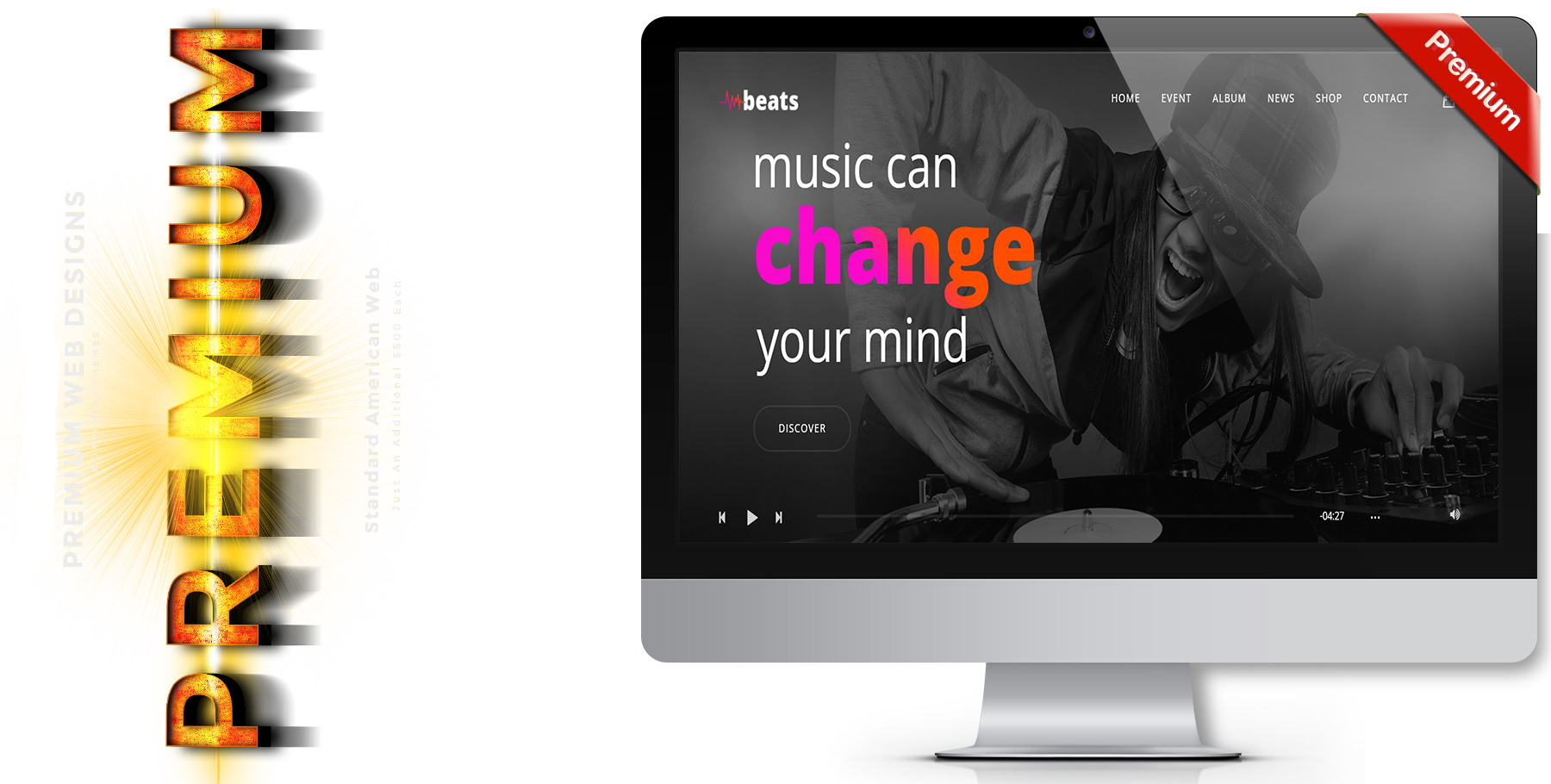
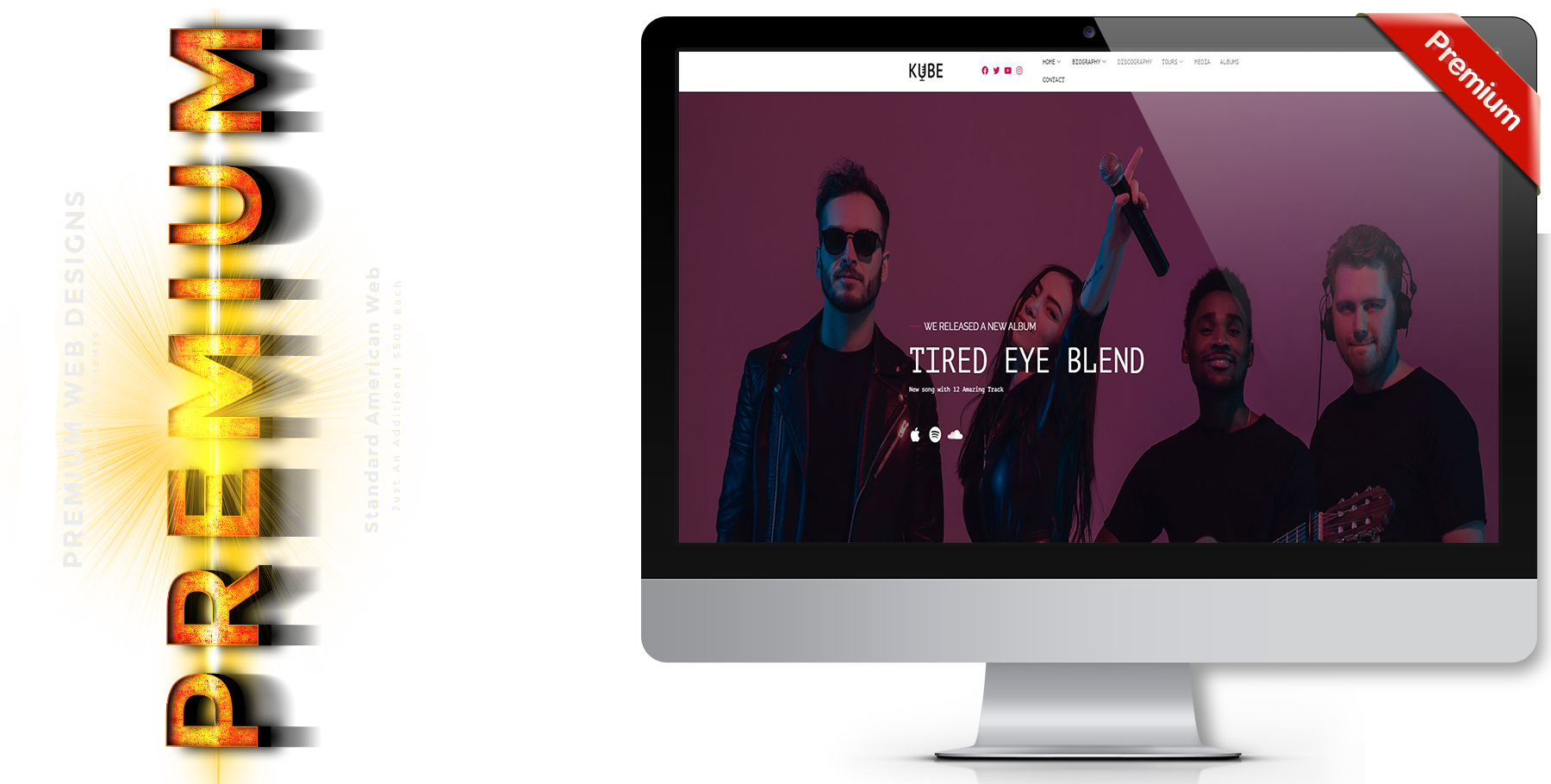
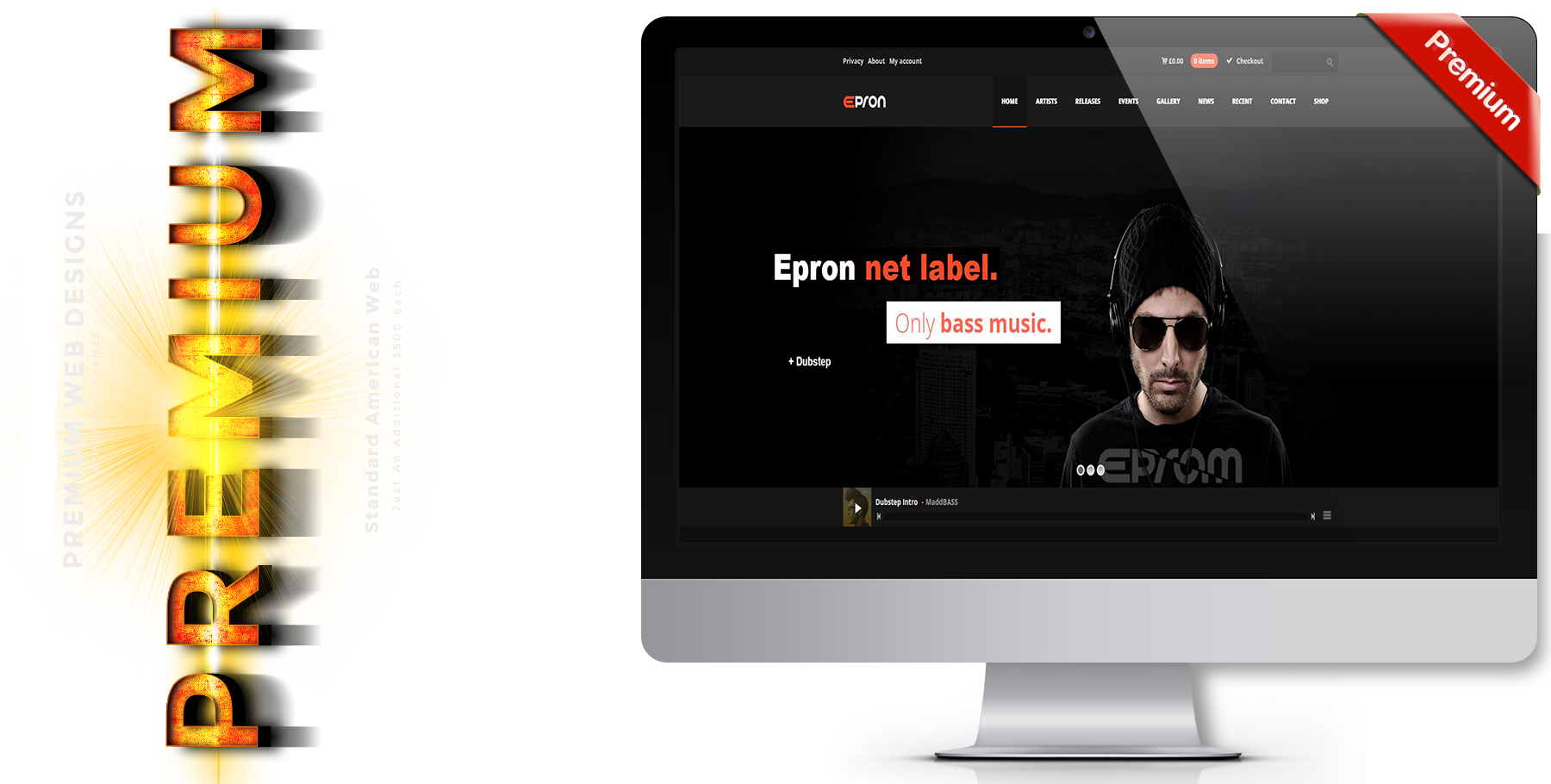
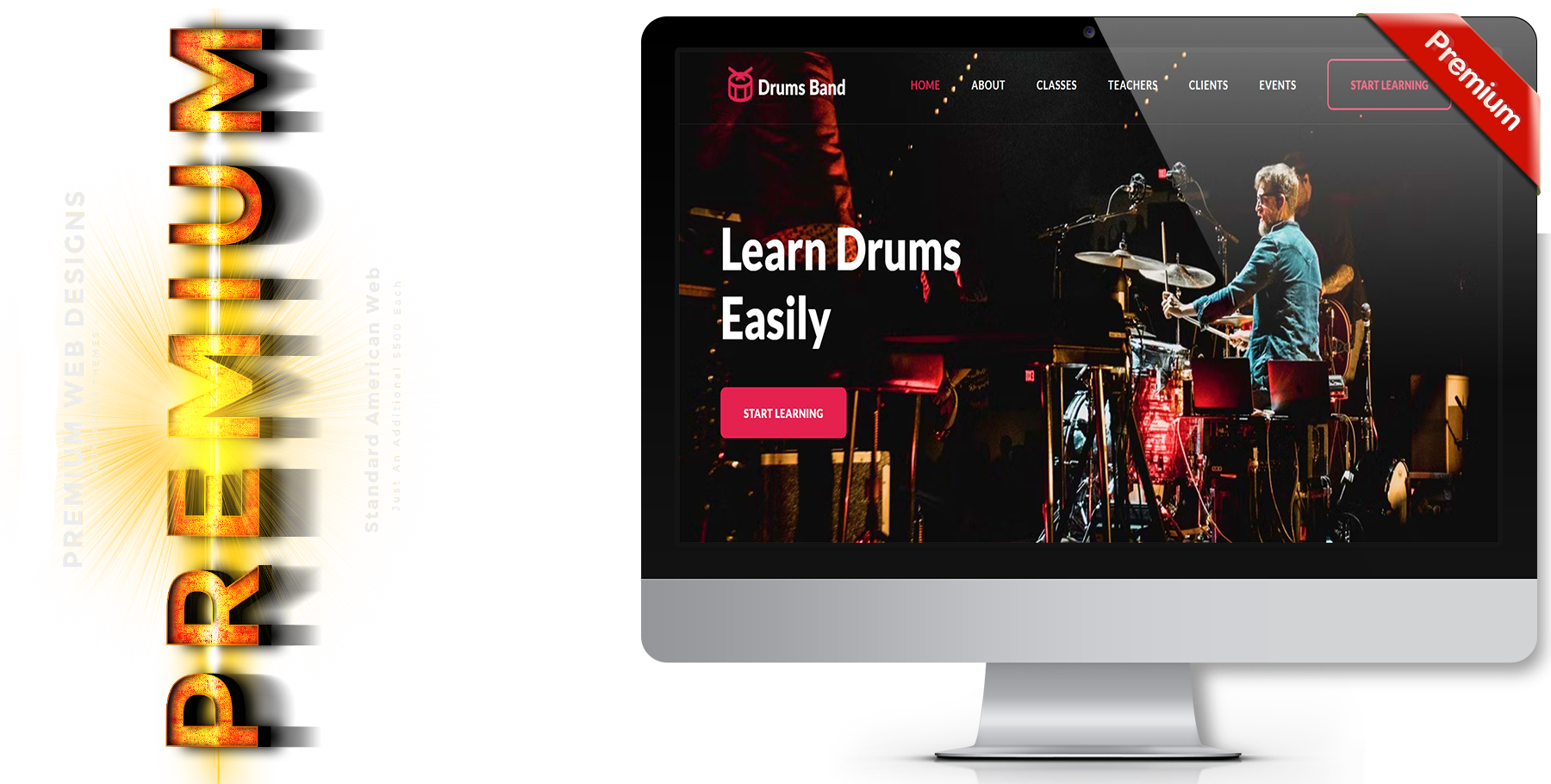
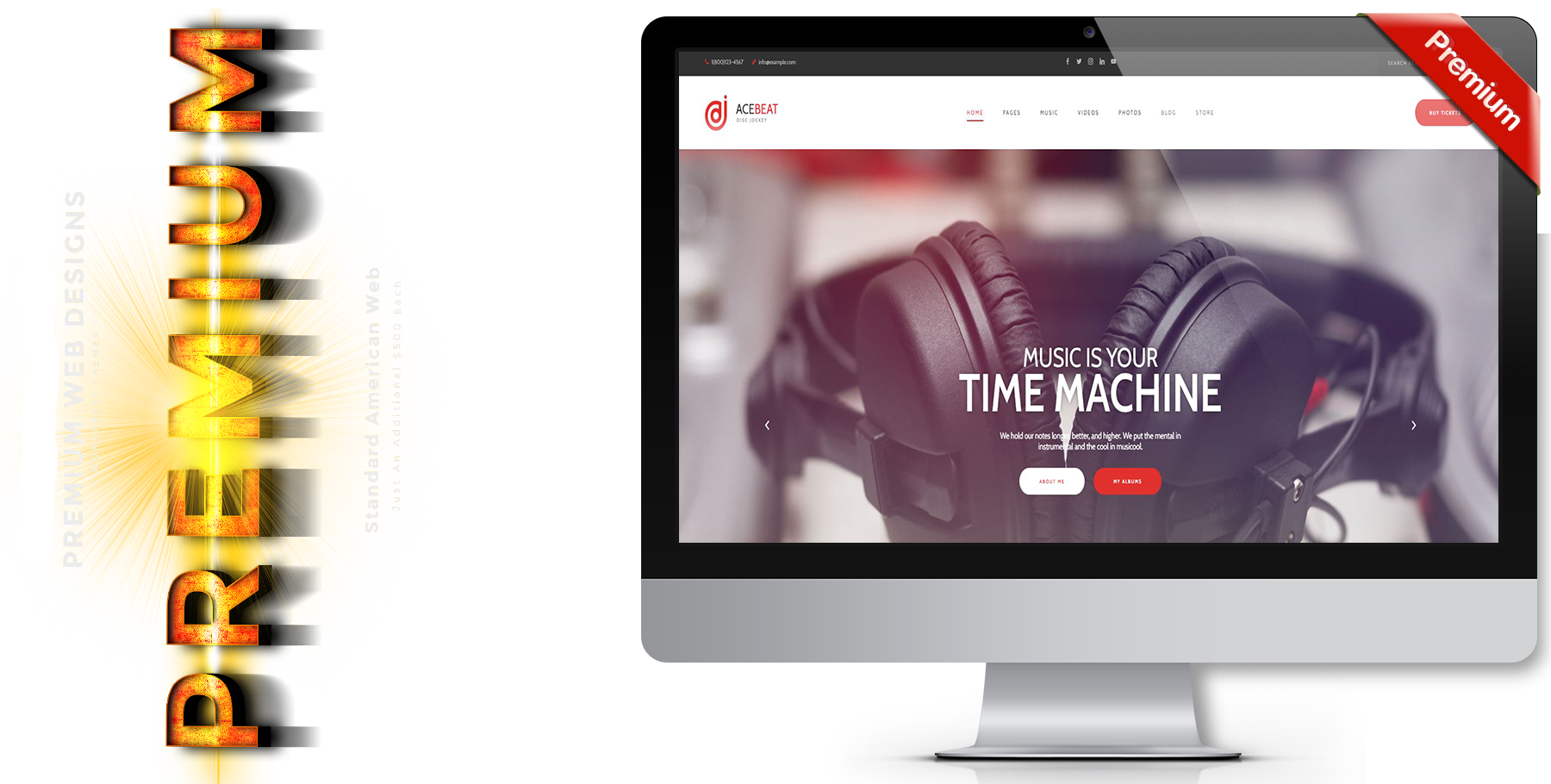
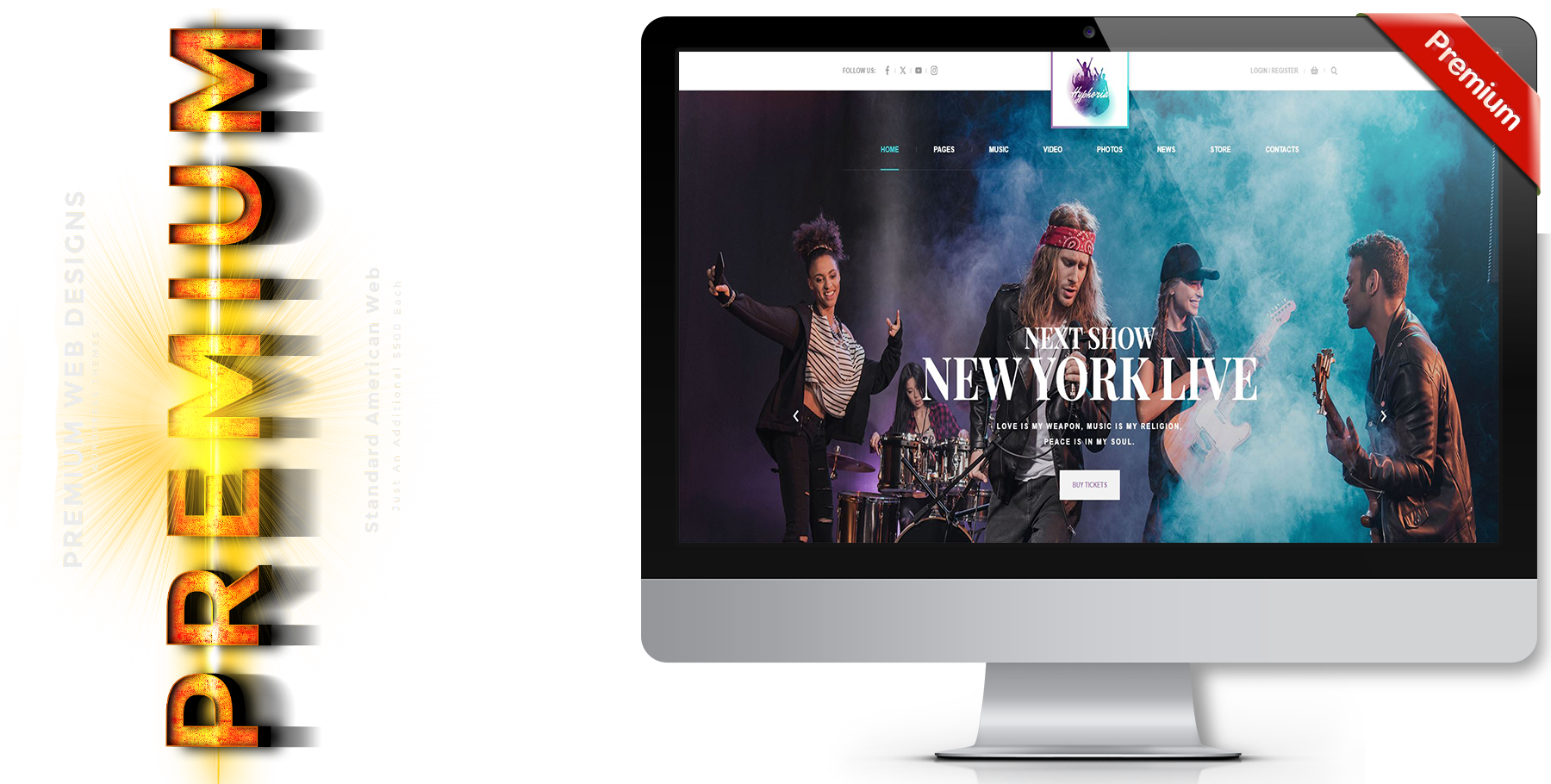
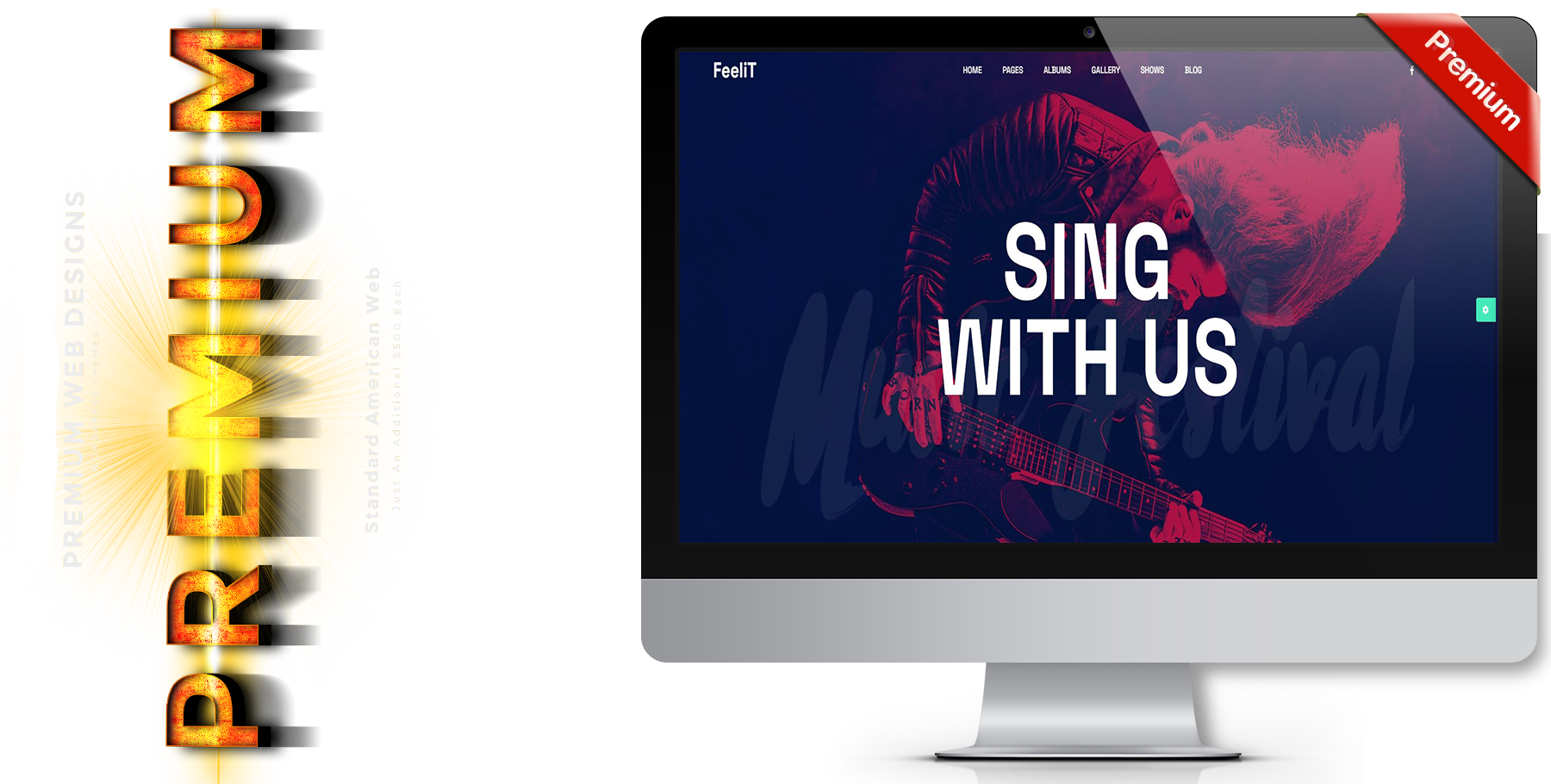
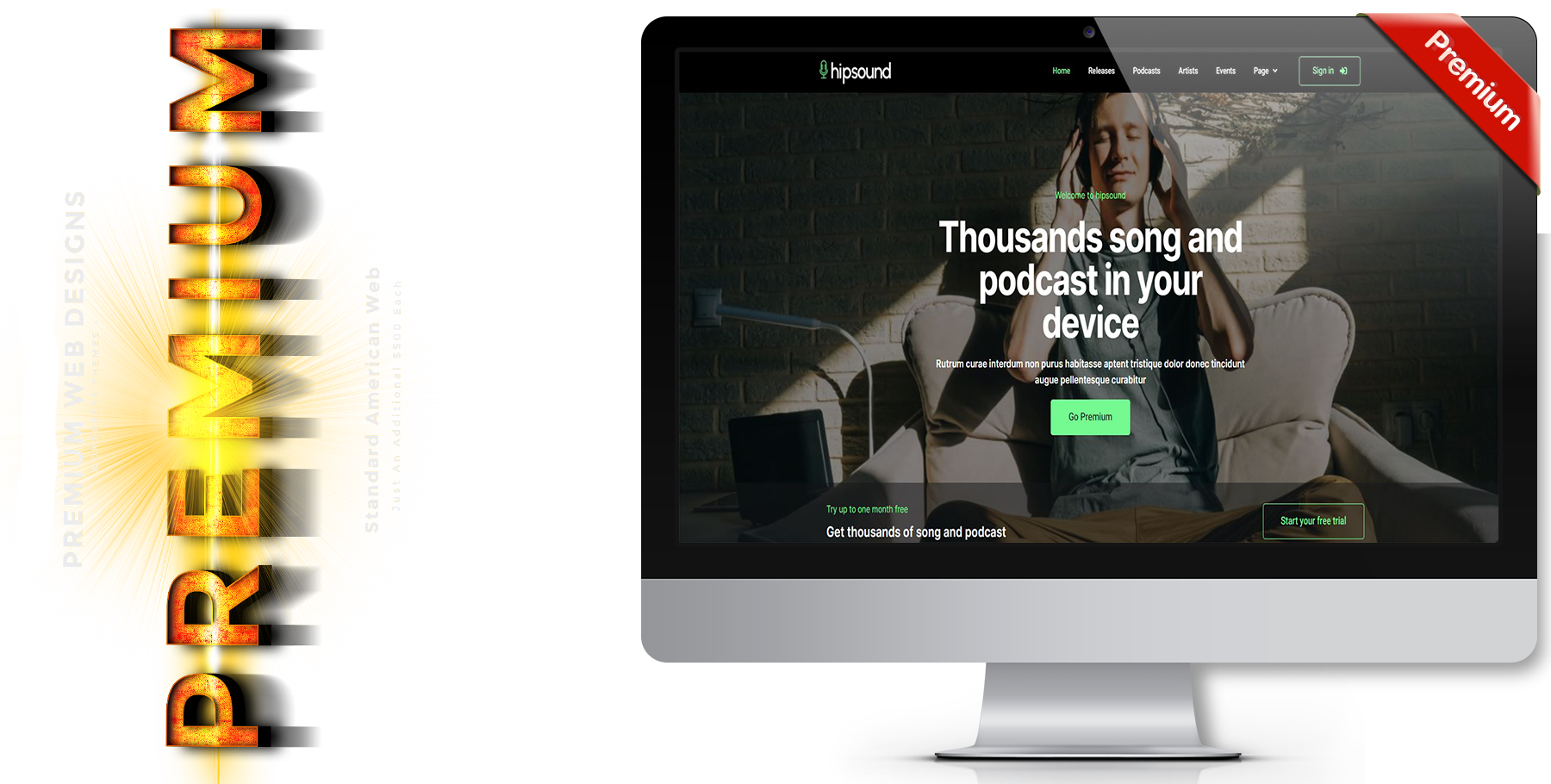
A quality website serves as the foundation of your internet
presence. It should be visually beautiful, simple to use, and
mobile-friendly. Invest in a personalized domain name that
reflects your brand. Your website should have important
components including a profile, songs, videos, tour dates, a
product store, and contact information. High-quality photos
and multimedia features are critical for engaging visitors.
Consider using a blog to share news, thoughts, and personal
tales, which can help you connect with your audience on a
deeper level.
To make your website stand out, adhere to user experience (UX)
design guidelines. A well-designed website should intuitively
direct users to the information they need. Use unambiguous
calls-to-action (CTAs) to encourage users to take desired
actions, such as purchasing music, signing up for newsletters,
or following your social media profiles. Regularly update your
website to maintain material current and relevant, which not
only keeps your audience interested but also boosts your SEO
rankings. A professional and active website will function as
an efficient hub for all of your online activity.
Step 3.
Optimize for Search Engines
Search engine optimization (SEO) is essential for enhancing
your website's visibility. Begin by researching suitable
keywords for your music and putting them into your website
content. Use descriptive meta tags, titles, and alternative
text for photos. To increase your search engine ranking, keep
your site updated with fresh information regularly. Having a
blog can greatly help SEO efforts. Furthermore, make sure your
website loads quickly and is secure, as these criteria affect
search engine rankings.
Implementing SEO best practices allows potential fans to
discover your music online. By ranking higher in search engine
results, you enhance the likelihood of drawing more people to
your website. This can result in increased music streams,
ticket sales, and merchandising purchases. Use analytics tools
to track your SEO performance and alter your strategy as
necessary. Effective SEO is a continuous process that demands
frequent attention and adjustments to maintain and improve
your online visibility.
Step 4.
Leverage Social Media Platforms
Social media is an effective tool for growing and engaging
with your audience. Choose sites that are relevant to your
target audience and business identity, such as Instagram for
images, Twitter for updates, and TikTok for short, engaging
videos. Maintain a constant publishing schedule and interact
with your fans by replying to their comments and messages. Use
social media to share behind-the-scenes footage, live
performances, and personal stories. Collaborate with other
artists and influencers to broaden your audience.
To maximize the impact of your social media efforts, build a
content calendar to plan and schedule your posts ahead of
time. This promotes a consistent flow of content and keeps you
organized. Use platform-specific features like Instagram
Stories, Twitter threads, and TikTok challenges to keep your
audience engaged. Monitor your social media statistics to see
which types of material are most popular with your audience,
and change your strategy accordingly. Consistent and
deliberate social media interaction helps to foster a loyal
online community.
Step 5.
Create High-Quality Content
In the realm of online branding, content reigns supreme.
Invest in high-quality photography, videography, and audio
recordings. Your material should be consistent with your
brand's aesthetic and messaging. Regularly update your website
and social media with new content, such as new music releases,
music videos, concert footage, and behind-the-scenes looks.
Engage your audience through live streams, Q&A sessions, and
interactive postings. High-quality content not only attracts
new followers but also keeps your current ones interested and
loyal.
Diversifying your content genres can also help keep your
audience engaged. In addition to music and videos, consider
producing podcasts, blog pieces, and visual art to supplement
your music. Engaging multimedia content gives followers extra
opportunities to connect with your brand. Quality over
quantity is essential; it is preferable to create fewer,
higher-quality items than to overwhelm your channels with
mediocre content. Consistently generating high-quality
material reinforces your brand's professionalism and artistic
vision.
Step 6.
Engage with Your Audience
Creating a great online identity necessitates an active
connection with your audience. Respond to comments, texts, and
emails quickly. Create chances for audience engagement, such
as contests, polls, and fan-generated content. Create virtual
events, such as live-streamed concerts or listening parties.
Show your appreciation for your fans by publicly thanking them
and providing special material or items. Creating a vibrant,
active community around your music can result in increased
loyalty and word-of-mouth promotion.
To develop deeper relationships, share personal experiences
and insights that help your listeners see the person behind
the music. Authenticity in your interactions can greatly
increase fan loyalty. Consider establishing a private fan club
or membership business that provides members with exclusive
information and experiences. This not only adds value to your
most loyal supporters but also fosters a sense of belonging
and exclusivity. Regular and meaningful contact helps casual
listeners become lifelong followers.
Step 7.
Collaborate with Influencers and Other Artists
Collaborations can greatly increase your internet presence and
trustworthiness. Collaborate with influencers, bloggers, and
other artists who have comparable audiences. Collaborate on
music projects, guest blog articles, and social media
takeovers. These collaborations can expose your music to new
audiences and broaden your brand's reach. To ensure continuity
in your online identity, choose collaborators that share your
brand's beliefs and aesthetics.
They also offer the ability to learn and grow creatively.
Working with other musicians might spark fresh ideas for your
music and web presence. Cross-promotion through collaborations
can assist both parties obtain more followers and fans,
resulting in a win-win scenario. Documenting the collaborative
process with behind-the-scenes content can also create
interesting content for your audience. Strategic
collaborations might help you grow and broaden your influence
in the music industry.
Step 8.
Utilize Email Marketing
Email marketing is still one of the most successful ways to
communicate directly with your audience. To build your email
list, offer incentives such as exclusive material, early
ticket access, or free downloads in exchange for email
sign-ups. Send out regular newsletters to educate your fans
about new releases, forthcoming shows, and other vital
announcements. Personalize your emails to make your fans feel
appreciated. Email marketing enables you to reach your target
audience directly while maintaining control over your
communication channels.
Segment your email list according to fan interests and
behaviors to provide more personalized and relevant
information. For example, you can divide your audience into
superfans, casual listeners, and concertgoers. Tailoring your
content to these various audiences helps boost engagement and
conversion rates. Use your email marketing platform's
analytics to monitor open rates, click-through rates, and
other important metrics. This data can help you fine-tune your
email approach over time and guarantee you're offering the
most value to your subscribers.
Step 9.
Analyze and Adapt Your Strategy
Analyze your online performance regularly to determine what is
and isn't functioning. Use Google Analytics and social media
insights to monitor website traffic, engagement rates, and
demographics. Pay attention to which material generates the
most engagement and change your strategy accordingly. Continue
to experiment with various content categories and posting
schedules. Staying adaptive and receptive to your audience's
preferences is essential for sustaining an appealing online
presence.
Setting defined, quantifiable goals can help you focus your
analysis and make strategic modifications. Whether it's
growing website traffic, improving social media engagement, or
generating more ticket sales, having specific goals allows you
to efficiently track your success. Regularly evaluating and
comparing your performance statistics to your goals will help
you identify areas for development and possibilities for
growth. By remaining adaptable and data-driven, you can
constantly improve your strategy to better match the
requirements and interests of your audience.
Step 10.
Stay Authentic and Consistent
Authenticity and consistency are essential for developing a
lasting online identity. Be real in your interactions and
adhere to your brand's values and messaging. Consistency in
graphic aspects, tone of voice, and posting frequency
contribute to an identifiable brand. Instead of attempting to
emulate others, focus on what distinguishes you. Authenticity
instills trust and loyalty in your audience, ensuring that
they remain engaged and supportive over time.
To maintain authenticity, regularly reflect on your brand
values and ensure that your online presence aligns with them.
Share real stories, challenges, and successes with your
audience to foster a deeper connection. Consistency also means
maintaining a regular posting schedule and ensuring all
content reflects your brand’s style and message. By being
authentic and consistent, you build a strong, trustworthy
brand that resonates with your audience and stands the test of
time.
To Hit the Final Note...
Creating an engaging online identity is an ongoing effort that
demands innovation, consistency, and honesty. You can build a
powerful online presence for your music career by defining
your brand identity, creating a professional website,
optimizing for search engines, leveraging social media,
creating high-quality content, engaging with your audience,
collaborating with influencers, utilizing email marketing,
analyzing your strategy, and remaining true to your brand.
Remember that your online persona is more than just a
marketing tool; it's a reflection of your artistry and a way
to interact with your audience. Embrace these actions to
increase your visibility and create a community of fans who
believe in your music and want to help you succeed. As you
negotiate the digital landscape, remaining honest and
adaptable will keep your online presence fresh and compelling.
🎸🥁🎷 Partnering with our platform provides music artists and
bands with access to cutting-edge technology and marketing
expertise, along with specialized solutions tailored to your
unique needs and goals. Together, we can transform your music
career, ensuring you connect with your audience and grow your
fan base. Take the next step towards success and enhance your
online presence with our comprehensive services now. —Start Your Project
below! We also offer assistance with
social media
&
social media marketing,
search engine optimization, setting up your
Google My Business, and get you found on search engines maps such as Google and
Apple Maps.